Skincare education
Sunscreen: how to choose one you will actually reapply
Sunscreen is the only product in a routine that protects the results of every other product in the routine. It is also the one most people apply at a third of the tested amount.
9 min readUpdated August 11, 2026Cosmetic guidance · Not medical advice
The short answer
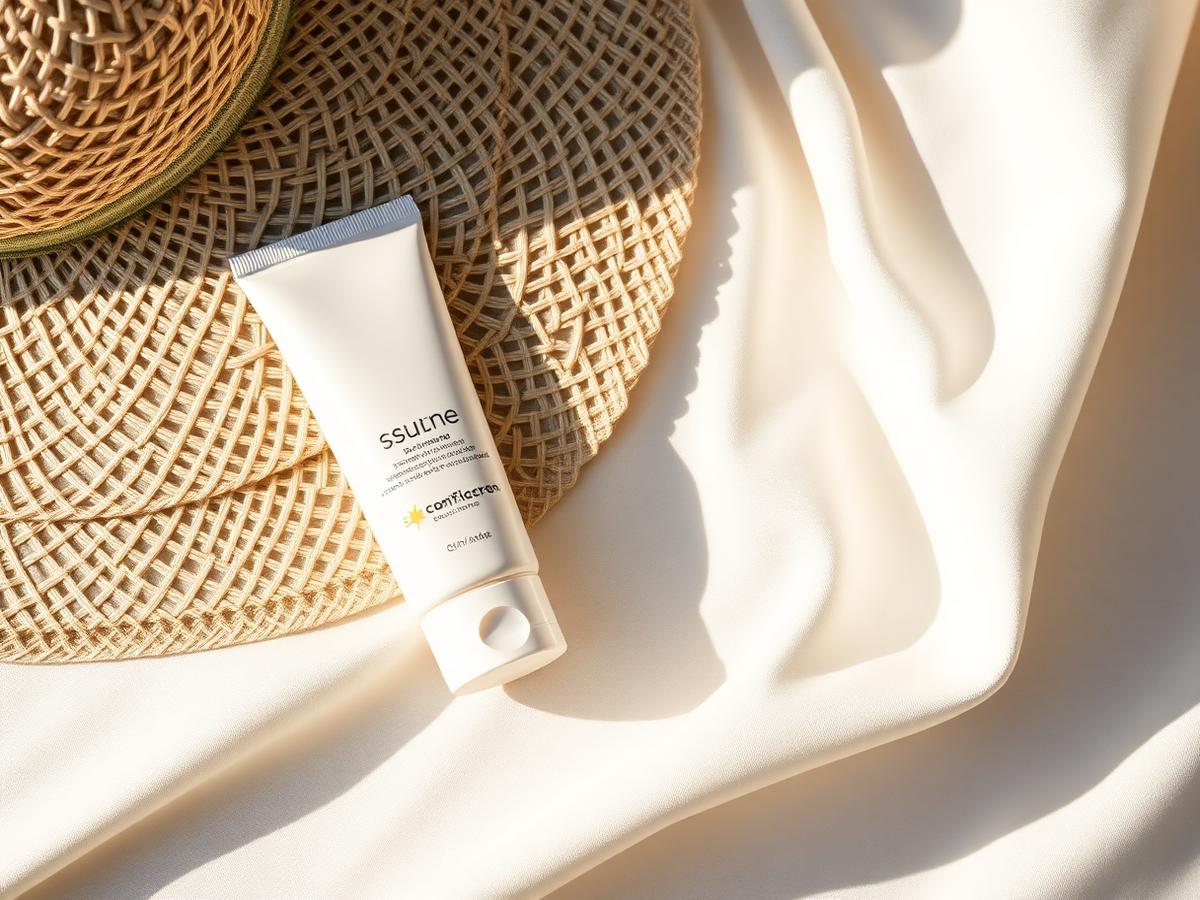
Broad-spectrum SPF 30 or higher, applied generously every morning, in a texture you will happily reapply. Filter type matters far less than compliance.
What the numbers mean
SPF measures protection against the wavelengths that cause visible burning. Broad-spectrum, or a PA rating with plus signs, indicates protection across the longer wavelengths associated with visible photoaging.
The jump from SPF 30 to SPF 50 is real but modest. The jump from a thin, patchy layer to a full one is much larger, which is why texture beats numbers.
Mineral versus chemical filters
Mineral filters — zinc oxide and titanium dioxide — sit on the surface, are well tolerated by reactive skin, and can leave a visible cast on deeper skin tones.
Organic (so-called chemical) filters absorb light and generally feel lighter and more cosmetically elegant. Modern filters available outside the US are especially pleasant to wear.
Neither category is safer or more effective in practice. Pick the one you will apply generously.
How much, and how often
- Roughly a quarter teaspoon for the face, or two finger-lengths of product.
- Apply as the last skincare step, before makeup, every morning you will see daylight.
- Reapply every two hours outdoors; indoors away from windows, morning application is usually enough.
- Do not forget the ears, the sides of the neck, and the backs of the hands.
Matching texture to skin
- Oily or shine-prone: fluid or gel textures with a soft-matte finish.
- Dry: lotion or cream textures with glycerin and an emollient.
- Reactive: mineral, fragrance-free, short ingredient list.
- Deeper skin tones: tinted mineral or a modern organic filter to avoid a grey cast.
Reapplication without ruining makeup
Powder sunscreens and sticks are imperfect but real options for a midday top-up over makeup. A cushion-format sunscreen pressed over foundation is the most reliable of the convenient methods.
The honest framing: an imperfect reapplication beats a perfect one you never do.
Common mistakes
- Relying on the SPF in a foundation, which is applied far too thinly to reach its rating.
- Skipping cloudy days, when longer wavelengths still reach skin.
- Using last summer's bottle — check the expiry, not just the volume.
- Applying sunscreen first and then rubbing serum over it, which breaks the film.
Put this into practice
Let Dermavitas apply it to your skin.
Paste the product name for an ingredient-first verdict.
Check a sunscreen against my routineThe short version
- Broad-spectrum SPF 30+ daily is the floor.
- Amount applied matters more than the number on the tube.
- Mineral and organic filters are both fine — pick by texture.
- A reapplication method you tolerate beats one you admire.
Frequently asked
- Do I need sunscreen indoors?
- If you sit near windows for hours, yes. Away from daylight entirely, a morning application is still the simplest habit to keep.
- Is SPF 100 worth it?
- The additional protection over SPF 50 is marginal. Coverage and reapplication are where the real difference lives.
- Does sunscreen cause breakouts?
- Heavy textures can look congested on oily skin. Switching to a fluid or gel formula usually solves it without dropping SPF.