Skin barrier · October 27, 2026
Skin Barrier Damage: 10 Signs Your Skin Barrier Is Compromised and How to Repair It
The short answer
Possible signs of a compromised skin barrier include tightness, flaking, roughness, itching, product stinging, discoloration, sudden sensitivity, cracks, inflamed patches and blisters or weeping. These signs are not a diagnosis. For mild irritation, stop likely cosmetic triggers, cleanse gently, use a comfortable fragrance-free moisturizer and protect skin from the sun. Persistent, severe or worsening symptoms need medical assessment; there is no universal repair deadline.
If your usual moisturizer suddenly stings or your face feels tight even after moisturizing, buying another active serum is rarely the best first move. Your skin may need fewer demands, not more. This guide explains what the skin barrier does, how to recognize possible irritation and how to simplify your routine without confusing cosmetic self-care with treatment for a rash. It draws on the American Academy of Dermatology (AAD), NHS guidance, Cleveland Clinic and peer-reviewed barrier research. It is written by the Dermavitas editorial team, not a clinician-reviewed diagnosis guide.
What is the skin barrier, and what does damage mean?
The outermost part of the epidermis, the stratum corneum, helps keep water inside the skin and reduces exposure to outside irritants. A useful analogy is a brick wall: skin cells are the bricks, and surrounding lipids are part of the mortar. This is a simplification, but it explains why hydration and protection work together. [1, 2]
When this system is disrupted, water can escape more readily and substances that were previously tolerated may irritate. Transepidermal water loss (TEWL) is the term researchers use for water passing through the skin into the environment; it is not something an ordinary selfie can measure. [1, 2]
'Damaged skin barrier' is a consumer description, not a diagnosis you can confirm with an online checklist. Contact dermatitis, eczema, rosacea, allergy and infection can share symptoms. A previously oily face can also become irritated; a shiny surface does not rule out dryness or inflammation. [3, 4]
10 possible signs your skin barrier is compromised
Look for a change from your own baseline, especially after a new product, frequent exfoliation or harsh washing. The ten clues below overlap and are not a validated diagnostic score. One symptom does not prove barrier damage, and several symptoms do not reveal the cause. [3, 4, 5]
1. Tightness or persistent dryness
Skin may feel stretched, uncomfortable or dry shortly after washing. If you repeatedly need moisturizer but comfort does not last, consider whether cleansing, weather or an underlying skin condition is contributing. Tightness is a clue to investigate, not evidence that your skin needs an exfoliant. [3, 5]
2. Flaking or peeling
Small flakes around the nose, mouth or cheeks can accompany dryness or irritation. Avoid polishing them away with a scrub: friction may make uncomfortable skin worse. Peeling can also follow sunburn or other conditions, so consider the context. [4, 5]
3. Rough, uneven-feeling texture
Skin that feels coarse, scaly or less smooth than usual may be dry. This differs from a reason to pursue aggressive resurfacing. First check whether a simple moisturizer and gentler washing restore comfort. [5]
4. Itching
An itch can appear with dry skin or dermatitis. Scratching adds friction and can break the surface. Persistent itching, particularly with a rash, should prompt assessment rather than repeated experimentation with new skincare. [4, 5]
5. Stinging or burning when products touch your skin
A product that suddenly burns is not necessarily 'working.' Even a familiar moisturizer may feel uncomfortable on irritated skin, but an allergy or reaction to the formula is another possibility. Stop a cosmetic product that aggravates symptoms; ask a clinician before changing prescribed treatment. [3, 4]
6. Redness or other changes in color
Inflammation may look red on lighter skin and brown, purple, grey or darker than surrounding skin on deeper skin tones. Look at discomfort and texture as well as color. Lighting and camera filters can obscure changes. [4]
7. New sensitivity to familiar products or everyday exposure
If fragrance, washing or ordinary routines now leave your skin uncomfortable, consider recent changes and repeated exposure to irritants. Sudden sensitivity can have several causes; it does not identify a single ingredient allergy. Clinical patch testing is different from trying a product at home. [3, 4, 7]
8. Small cracks or fissures
Very dry skin can develop splits, particularly on hands or other repeatedly washed areas. Deep cracks, bleeding or increasing pain deserve medical advice. Do not apply exfoliating acids to broken skin. [5]
9. Inflamed patches or a rash
A patch that is itchy, uncomfortable, swollen or repeatedly returns may be dermatitis or another condition. Treat a rash as a reason to identify the cause, not as a cosmetic score to improve. Seek assessment if it persists, recurs or is severe. [4, 6]
10. Blisters or weeping areas
Contact dermatitis can cause fluid-filled blisters, but blistering and weeping are not routine cosmetic problems to manage with a new serum. Seek medical advice, especially if the area is painful or worsening. Discharge, rapidly worsening symptoms, increasing pain or feeling unwell can indicate infection. [4]
What can cause skin barrier damage?
Repeated contact with an irritant can matter as much as a single strong exposure. Harsh soaps, detergents, frequent washing and friction can contribute to irritant contact dermatitis. Cold, dry conditions and hot water can also worsen dry-skin discomfort. [3, 6, 8]
In a facial routine, possible triggers include over-exfoliating, scrubbing, increasing a retinoid too quickly or introducing multiple potentially irritating products at once. A formula does not need to be 'bad' to be unsuitable for your current tolerance. Fragrance and other substances can also trigger allergic contact dermatitis in susceptible people. [3, 8]
Do not assume a damaged barrier explains every breakout. Acne, rosacea and contact reactions can coexist, and adding more acne treatments to a burning face may increase irritation. A clinician can help distinguish them. Keep a short record of what changed before symptoms started rather than guessing from a photograph. [3, 7]
How to repair your skin barrier: a gentle reset
For mild cosmetic irritation without a concerning rash or broken skin, start by reducing exposure to likely triggers. The goal is comfortable, protected skin, not a fixed number of steps or a guaranteed recovery date. These measures support dry-skin care; they do not replace treatment for a diagnosed condition. [4, 6]
Pause unnecessary irritation
Set aside cosmetic scrubs, peels and any newly introduced product that worsens symptoms. Do not keep using a burning product because a routine says it belongs there. If you use prescribed medication, ask your prescriber how to adjust it rather than stopping it on your own. Avoid repeatedly switching among 'repair' serums. [3, 6]
Cleanse gently, without chasing a squeaky-clean finish
Use a gentle cleanser where needed, warm rather than hot water, and your fingertips instead of a scrub or brush. Pat dry. AAD dry-skin guidance favors short warm showers and gentle washing; the same low-friction principle is useful when a facial routine feels harsh. [6]
Moisturize with a formula you can tolerate
Try a simple fragrance-free cream or ointment and apply after washing while skin is still slightly damp. Creams and ointments can be more helpful than thin lotions for very dry skin. If a moisturizer persistently stings, stop and seek advice instead of layering more products over it. [6, 8]
Protect exposed skin and reduce repeat triggers
Use shade and protective clothing, plus broad-spectrum, water-resistant SPF 30 or higher on exposed skin when tolerated. Follow the sunscreen label for reapplication. If applying sunscreen is painful, rely on shade and clothing while you seek advice about a tolerable formula. Gloves may help with relevant household irritants, but avoid materials that themselves cause a reaction. [6, 8]
Reintroduce products cautiously
Once the skin is comfortable and a clinician has addressed any ongoing rash, introduce one optional cosmetic product at a time. Begin cautiously and stop if discomfort returns. There is no universal schedule for restarting retinoids or acids; tolerance, the product and the original cause matter. A simplified routine may be enough without returning to every old active.
Less noise. More ingredient sense.
Join the Dermavitas letter for ingredient explainers and thoughtful routine notes. No product pushing. Unsubscribe any time.
By subscribing, you agree to receive the Dermavitas letter. Privacy policy. Cosmetic guidance only — never medical advice. We never sell your email.
A simple morning and evening skin-barrier routine
Choose the fewest steps that keep your skin clean, comfortable and protected. You do not need a dedicated 'barrier repair' product if a simple, well-tolerated moisturizer works for you. This example is cosmetic guidance for mild dryness, not a treatment plan for dermatitis.
Morning: comfort and protection
Gently rinse or cleanse as needed, without scrubbing. Apply a comfortable fragrance-free moisturizer. Finish with broad-spectrum SPF 30+ when tolerated, and use shade or protective clothing. Leave optional exfoliation and irritating serums out while skin feels uncomfortable. [6]
Evening: gentle removal and moisturizing
Remove sunscreen and makeup gently with a cleanser you tolerate. Pat dry and moisturize while skin is slightly damp. Resist the urge to add a peel, cleansing brush or several 'calming' serums. More layers also mean more possible triggers, which makes troubleshooting harder. [6, 8]
Which ingredients should you look for in a barrier moisturizer?
Choose by tolerance and the whole formula, not by one fashionable ingredient. Humectants such as glycerin help hold water; emollients soften skin; occlusive ingredients such as petrolatum help reduce water loss. Ceramides are part of the skin's lipid system and appear in many moisturizers. These categories support different parts of moisturizing, but an ingredient list cannot guarantee a comfortable result. [1, 2, 6]
Fragrance-free is a useful starting point for reactive skin. 'Unscented' does not always mean no fragrance ingredients. AAD specifically recommends fragrance-free products for dry skin. Natural extracts, essential oils and expensive packaging are not proof of gentleness. [6]
Hyaluronic acid or niacinamide may fit some routines, but neither is essential to a reset. A serum alone may not provide the same protection as a cream, and a concentrated active can still irritate. If you are choosing between another serum and simplifying your existing routine, comfort should lead the decision.
How long does skin barrier repair take?
There is no reliable single deadline. Improvement depends on the trigger, the degree of irritation, ongoing exposure and whether a condition needs treatment. Feeling less tight after moisturizing is welcome, but it does not prove that barrier function has fully recovered. [2, 3, 8]
Look for a trend toward less discomfort, less flaking and better tolerance of your basic routine. If symptoms persist, repeatedly return or worsen despite gentle care, arrange medical assessment rather than extending a self-imposed '30-day reset.' Do not use a calendar as a substitute for clinical judgment. [4, 7]
Progress photos can help record visible changes when lighting and distance are consistent. They cannot measure TEWL, diagnose barrier damage or prove a treatment worked. Note comfort and product exposure alongside any image, and keep medical questions for a qualified professional.
Common mistakes that can keep irritation going
The most productive repair step is often removing a demand rather than adding a new purchase.
- Scrubbing away flakes or using a peel to 'start fresh.'
- Stacking new acids, retinoids and fragranced products before you know what you tolerate.
- Assuming oily skin never needs moisturizing or that all redness means acne.
- Treating burning as proof an active is effective.
- Using home remedies such as lemon juice on irritated skin.
- Covering persistent symptoms with more cosmetics instead of getting an assessment.
- Buying a product because it promises repair in a fixed number of days.
When should you see a dermatologist or seek urgent help?
Arrange medical advice for persistent, recurrent or severe symptoms, an unexplained rash, painful cracking, blistering or weeping. A clinician may need to distinguish irritation from allergy, infection or another skin condition. Suspected allergy may require clinical patch testing, not an at-home cosmetic test. [4, 7]
Seek prompt medical attention if symptoms worsen quickly, there is discharge or increasing pain, or you feel generally unwell, hot, cold or shivery. These can be infection warning signs. For breathing difficulty or swelling of the lips or tongue, use local emergency services rather than a skincare app. [4]
Dermavitas can help organize cosmetic routines and product questions. It cannot diagnose skin barrier damage, treat dermatitis, evaluate infection or replace a dermatologist. Do not delay care to complete a scan or subscription purchase.
How Dermavitas helps you simplify—not self-diagnose
Start with the free questionnaire-based AM/PM routine if you want help organizing everyday cosmetic care. A selfie is optional; AI insights require a free account. When skin is uncomfortable, treat any product suggestion as secondary to tolerance and medical advice—not as permission to push through irritation.
Dermavitas Premium adds Scan My Shelf, saved routines, progress photos, reminders and the AI Skin Coach. These tools can help you keep track of products and habits across days and devices. They do not confirm barrier repair or promise a clinical outcome. The practical value is a more organized routine, not another compulsory product.
Frequently asked questions
What does a damaged skin barrier feel like?
It may feel tight, dry, itchy, rough or unusually sensitive, and products may sting. These symptoms also occur with dermatitis and other conditions, so they do not confirm barrier damage on their own. Persistent or severe symptoms need assessment.
Can I repair my skin barrier at home?
Mild dryness or cosmetic irritation may improve when you remove likely triggers, cleanse gently, moisturize with a comfortable fragrance-free formula and protect skin from the sun. A rash, broken skin, recurring symptoms or signs of infection may need medical treatment instead of self-care alone.
Should I stop retinol and exfoliating acids?
Pause optional cosmetic products that aggravate irritated skin, including scrubs or acids. Ask your prescriber before changing a prescribed retinoid or other medication. Restarting depends on the cause, product and tolerance rather than a universal waiting period.
Is a damaged skin barrier the same as dehydrated skin?
No. Dehydrated skin describes low water content; barrier disruption describes impaired protective function. They can overlap, but dryness or tightness alone does not establish the cause. A photograph cannot reliably distinguish every condition.
Are ceramides necessary for skin barrier repair?
Ceramides are part of the skin's lipid system and are included in many moisturizers, but a ceramide label does not guarantee a suitable formula. A simple fragrance-free cream or ointment that you tolerate may be a better choice than an elaborate serum that stings.
Can oily or acne-prone skin have a compromised barrier?
Yes. Oiliness does not protect against irritation from washing, friction or products. Acne and irritation can coexist; avoid assuming every new patch or bump needs a stronger acne active. Seek advice if the cause is unclear or symptoms persist.
How many days does skin barrier repair take?
There is no universal number of days. The cause, severity, repeated exposure and any underlying condition affect improvement. Less stinging or flaking is encouraging, but persistent, recurring or worsening symptoms should be assessed rather than managed by a deadline.
Can AI skin analysis diagnose barrier damage?
No. AI can describe visible cosmetic features and help organize a routine, but it cannot measure transepidermal water loss, diagnose dermatitis or confirm skin barrier repair. Medical symptoms should be assessed by a qualified clinician.
Sources and further reading
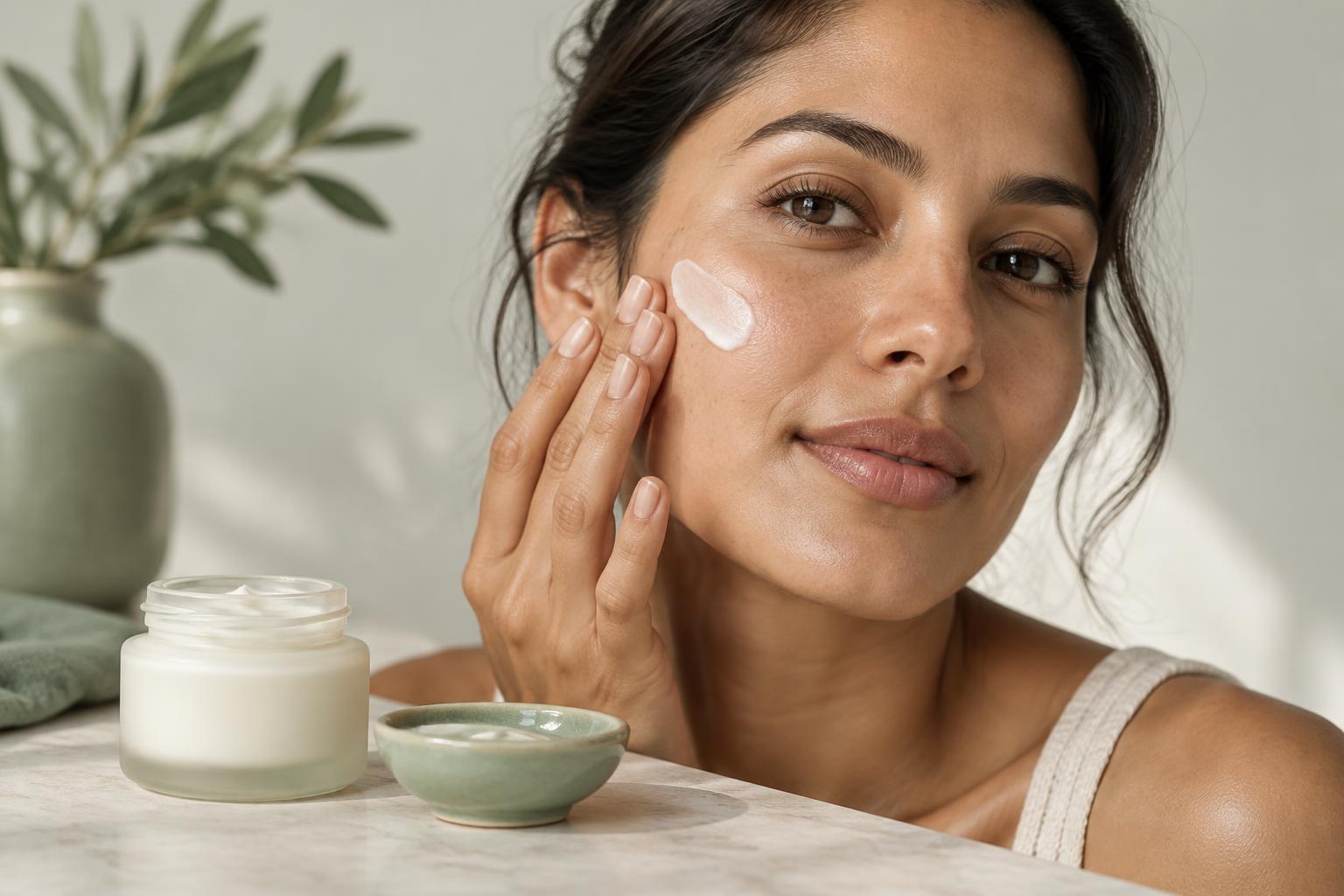
Sources checked October 27, 2026. Numbered references in the guide correspond to the links below. These organizations do not endorse Dermavitas. The featured photograph is illustrative and AI-generated.
- [1] Cleveland Clinic — How to tell if your skin barrier is damaged
- [2] Peer-reviewed review — Understanding the Epidermal Barrier in Healthy and Compromised Skin
- [3] Peer-reviewed review — Irritant Contact Dermatitis
- [4] NHS — Contact dermatitis: symptoms
- [5] American Academy of Dermatology — Dry skin: signs and symptoms
- [6] American Academy of Dermatology — Dermatologists' tips for relieving dry skin
- [7] NHS — Contact dermatitis: diagnosis
- [8] NHS — Contact dermatitis: treatment
Keep reading
AI skincare
AI skincare: how artificial intelligence improves your face routine (and where it falls short)
15 minAI skincare
AI skin analysis: what it is, how it works, and how to get a real routine from a free scan
16 minAI skincare
Skin analyzer: how the Dermavitas Skin AI Analyzer reads your face (and what the results mean)
15 minDermavitas Premium
A calmer routine starts with a clearer shelf.
Less second-guessing. More consistency. Organize the products you already own, keep your routine close, and follow visible changes without adding another ten-step ritual.
- Scan My Shelf to organize your products
- Saved AM/PM routines across devices
- Progress photos and routine reminders
- AI Skin Coach for cosmetic routine questions
$9 / month
$9 billed monthly, renews monthly. Or $79 billed annually ($6.58/month equivalent). Taxes may apply.
Cancel from your dashboard; access continues through your paid period. Premium is optional. Cosmetic guidance only—not diagnosis or treatment for skin barrier damage.
Prefer to start small? Build a free routine without an account.